
Key takeaways
Washing flushes away loose dirt1,4, but an active antiseptic kills bacteria, viruses, and fungi, and disrupts sticky biofilms5.
To protect your wound from infection, you need to keep it in an environment that protects it from outside contaminants and helps it heal.7
Treating your wounds helps either promote the wound healing or lessens complications8.
When your loved ones get a minor cut, scrape, or burn, taking immediate action on them feels like second nature. But while cleaning up an injury is important, proper wound care is actually a multi-step process — and every single stage plays a distinct role in safeguarding broken skin from complications1 like infections or delayed healing.
Understanding the differences between cleaning, disinfecting, protecting, and treating a wound helps you respond whenever an everyday accident happens. And in this article, we show you the differences among the four.
1. Cleaning: Removing Potential Contaminants
Before disinfecting your wounds, it’s important to note that the presence of debris, pus, or blood could actually limit2-3 the germ-killing activity of some antiseptics. Cleaning the wounds helps remove debris and microorganisms4 that can potentially interfere with the healing process by lifting those contaminants, so they can be either taken off physically or flushed down with a liquid solution1.
But while this step is essential, cleaning alone does not kill4 microscopic germs still left on the wound or surrounding tissues. This is where the next step comes in.
2. Disinfecting: Eliminating Germs
The skin often contains microorganisms that are often harmless, or even helpful10. But when more harmful germs contaminate broken skin, they can create biofilms5, which can shield germs from your immune system and stall wound repair.
Aside from cleaning your wounds to disrupt these biofilms, disinfecting with an antiseptic — like Povidone-Iodine, which destroys 99.99% of infection-causing pathogens (based on in-vitro data)6 — prevents them from forming biofilms, helping the wound heal more smoothly.
3. Protecting: Keeping the Wound Moist
After cleaning and disinfecting the wound, you want to keep it moist. Wounds tend to heal better in moist environments, as it helps skin cell migration and clears dead tissue7.
To manage localized infections7, topical antimicrobials and antimicrobial dressings may be applied .Using the proper wound dressing helps keep the site moist, shields it from contaminants, and manages excess wound fluid7 to prevent healthy tissue breakdown.
4. Treating: Supporting Active Healing
While cleaning, disinfecting, and protecting are three steps that all wounds could benefit from, some wounds might need a little more support. Treating a wound looks at how you can give those wounds support, either by helping lessen complications8 or promoting wound healing9.
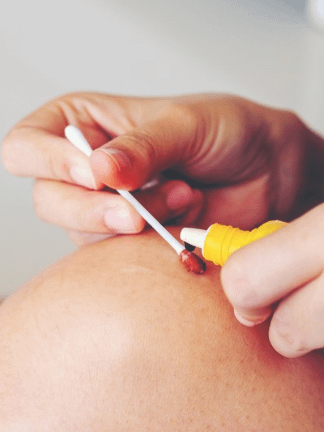
Get 4-in-1 Wound Care with POVIDONE-IODINE (BETADINE®)
Instead of juggling multiple complicated products, the POVIDONE-IODINE (BETADINE®) Wound Care range provides 4-in-1 action: it cleans, disinfects, protects, and treats minor wounds — all without the sting of alcohol.
Cleans: Aside from wound treatment, Povidone-Iodine (BETADINE®) can also be used to clean your wounds.
Disinfects: It’s scientifically proven to kill 99.99% of bacteria, fungi and viruses in as early as 30 seconds (based on in-vitro data)6.
Protects: Its antiseptic property helps prevent and manage local infections7.
Treats: Povidone-Iodine (BETADINE®) can also help the wound healing process by lessening complications8 and promoting wound healing9.
If symptoms persist, consult your doctor.
Not recommended for children below age 2.
®: BETADINE is a Registered Trademark of iNova Pharmaceuticals.
ASC I0273P102026B


