
Common skin infections, whether fungal or bacterial in nature, thrive in warmer climates1 and can be contracted through contact with people with these skin conditions2, especially when you frequent crowded places.
In this blog, we will discuss what to look out for to help avoid common bacterial and fungal skin infections and how you could protect yourself.
Key takeaways
Bacterial and fungal infections can range from contagious ailments like impetigo and ringworm, painful inflammations like boils, or bothersome (and sometimes, embarrassing) conditions like athlete's foot or jock itch.
Using protective measures such as washing with a POVIDONE-IODINE antiseptic skin cleanser can help stop the spread of these diseases.
Adopting good personal habits, such as thorough drying, regular bathing, and washing clothes thoroughly, can help prevent the spread of bacterial and fungal infections.
Know Your Bacterial and Fungal Skin Infections
Bacteria and fungi can live on your skin without you even knowing it, but certain situations can cause them to grow and lead to skin problems or infections.
For example, impetigo (often called “mamaso”) is a common bacterial skin infection. It usually shows up as a group of red sores or blisters with yellow crust. It spreads easily from person to person and can start on healthy skin or get into open cuts.3
Fungal skin infections, on the other hand, are caused by tiny germs that feed on their surroundings. Because of this, they can be stubborn and take a long time to heal, especially in warm, damp, or dusty places where they grow best. Here are some of the more common types:
Scalp ringworm (Tinea Capitis): A fungal infection that affects the scalp.4
Facial infection (Tinea Faciei): A fungal infection found on the face, often picked up from pets.5
Ringworm (Tinea Corporis): Often called “buni,” this appears as a ring-shaped rash on the body.6
Jock itch (Tinea Cruris): Known as “hadhad,” this infection happens in the groin area and is often seen in athletes.7
Hand infection (Tinea Manuum): A fungal infection on the palms or folds of the hands.8
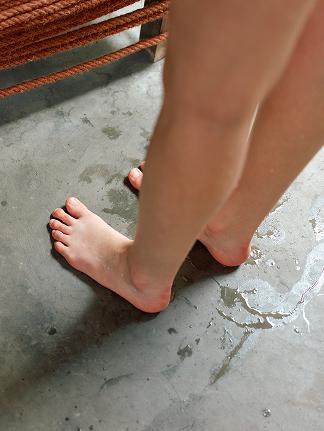
Athlete’s foot (Tinea Pedis): Also known as “alipunga,” this is often picked up from walking barefoot.9
Nail fungus (Onychomycosis): An infection of the fingernails and toenails, often caught in public spaces like hotel carpets, showers, or pool decks.10
How to Help Prevent and Treat These Infections
While bacterial and fungal skin infections may differ in some ways, there are common measures you can do to help prevent these infections from spreading:
Observe basic hygiene. This includes bathing and washing your hands with an antiseptic skin cleanser to not just wash off the micro-organisms but to actually kill them
Clean your surroundings regularly. Routine cleaning high-touch surfaces (ex: doorknobs, light switches, faucet handles, refrigerator doors, toilet flush handles, mobile phones, tablets, keyboards, computer mouse)11, can help reduce the risk of spreading common skin infections, since most transmissions occur through direct contact.
Thoroughly wash your clothes. This is to remove any microbes that might be clinging to your clothing items.
Treat any open wounds right away. Wounds can sometimes be a gateway to skin infections, so cleaning them properly prevents microbes from using them as an entry to your body.
Avoid walking barefoot especially in moist environments such as public showers, pool areas or locker rooms.12 Germs tend to favor these types of areas, so best to wear waterproof sandals, flip-flops, or pool shoes.9
Dry yourself completely after bathing or swimming. Fungi and bacteria cling to moist areas,13 so drying yourself completely prevents these from spreading.
Ultimately, the goal is to stop bacteria and fungus from spreading as quickly as possible. To do this, having the necessary tools and supplies on hand is essential.
Leveling Up Your Hygiene with POVIDONE-IODINE (BETADINE®) 7.5% Skin Cleanser (vs washing with regular soap)
When you need extra protection, keep in mind that Povidone-iodine is scientifically proven to kill 99.99% of various bacteria and fungi (based on lab data).14 Switching to an antiseptic product like POVIDONE-IODINE (BETADINE®) 7.5% Skin Cleanser upgrades your hygiene routine by going beyond what regular soap provides.
Since this skin cleanser works quickly to kill germs—in as early as 30 seconds (based on lab data)—there is no need to use it all the time. Use it only when you need that extra protection beyond regular soap.
Here’s how to use it:
Pour into your hands.
Apply to skin area that you want to clean and protect.
Rub until it lathers and let it stay for at least 1 minute.
Rinse it off thoroughly with water.
Note: POVIDONE-IODINE (BETADINE®) 7.5% Skin Cleanser can be used for adults and children 2 years of age and older. This is not recommended for continuous daily use throughout the year.
If symptoms persist, consult your doctor.
ASC I0036P080726B
-091125.png?sfvrsn=18115e52_2&imgeng=/m_box/w_360/h_390/ "BETADINE SC PROD SHOT (FRONT) 091125")


