
For a lot of people, acne is a rite of passage. An embarrassing, painful one, but a rite of passage nonetheless.
Acne affects one in five people worldwide1 and can significantly impact your quality of life2. Understanding how it develops and how to treat it is the first step toward clearer skin.
With so many treatment options available - from gentle skin cleansers to facial procedures, choosing the right one can feel overwhelming. Sometimes, the best approach is to go back to the basics and understand the root cause.
In this blog, we then look at how people get acne, and what you can do to treat it.
Key takeaways
Acne is a widespread condition that can negatively affect how an individual sees themselves.
Acne is caused by an accumulation of sebum, dead skin cells, and hair that obstructs pores, thus fostering an ideal setting for bacterial growth.
While gentle cleansers remove surface impurities, an antiseptic cleanser like povidone-iodine helps stop the spread of acne infections.
What Causes Acne?
According to the National Institute of Arthritis and Musculoskeletal and Skin Diseases (NIAMS), acne occurs when your hair, sebum (your skin’s natural oil), and cells that line the follicle stick together and clog up your pores3. Bacteria thrive in this kind of environment and cause swelling that leads to pimples and lesions3.
Some factors can also heighten your risk for acne3, such as:
Hormonal changes
Family history
Medications
Age
That said, the following can lead to acne3:
Excess oil production
Dead skin cell buildup
Too many bacteria in pores
To treat acne breakouts, it’s important to deal with the source of the inflammation and infection, ex: bacteria on the face.
Why Use an Antiseptic Cleanser on Acne?
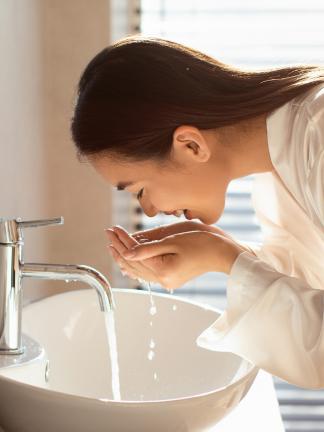
More than routine, washing your skin is one way to maintain skin health as it removes dirt, excess sebum, and other environmental impurities4.
For those with acne, a gentle skin cleanser is important as it does the job without further irritating the skin or stripping off its moisture4.
But aside from removing impurities that could clog the pores, it’s also important to address another factor leading to acne: bacteria.
Washing with an antiseptic skin cleanser not only removes sebum and dead skin cell buildup, but also kills off the common germs that cause acne. Thus, helping prevent your skin from flaring out further.
However, not every antiseptic skin cleanser is equally effective. In fact, certain products demonstrate only a restricted ability to fight bacteria5, making them less capable of reducing the bacterial load that triggers acne breakouts.
POVIDONE-IODINE (BETADINE®) 7.5% Skin Cleanser is scientifically proven to combat a wide range of bacteria6, including those that cause acne (based on in-vitro data)7.
How to Wash Your Face with the POVIDONE-IODINE (BETADINE®) 7.5% Skin Cleanser
To help control the spread of acne infection, here’s how to use it:
Pour into your hands.
Apply to skin area that you want to clean and protect.
Rub until it lathers and let it stay for up to 1 minute.
Rinse it off thoroughly with water.
Not recommended for continuous daily use throughout the year.
If symptoms persist, consult your doctor.
ASC I0060P062626B
-091125.png?sfvrsn=18115e52_2&imgeng=/m_box/w_360/h_390/ "BETADINE SC PROD SHOT (FRONT) 091125")


